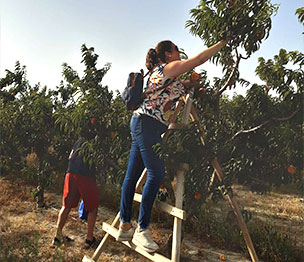
The stone fruit harvesting campaign began at the beginning of this month of May in the Region of Murcia with very good prospects, since, although production is slightly lower than in 2014, the quality of the product is the best in recent years. years and the prices are “reasonable”, according to several agricultural organizations consulted.
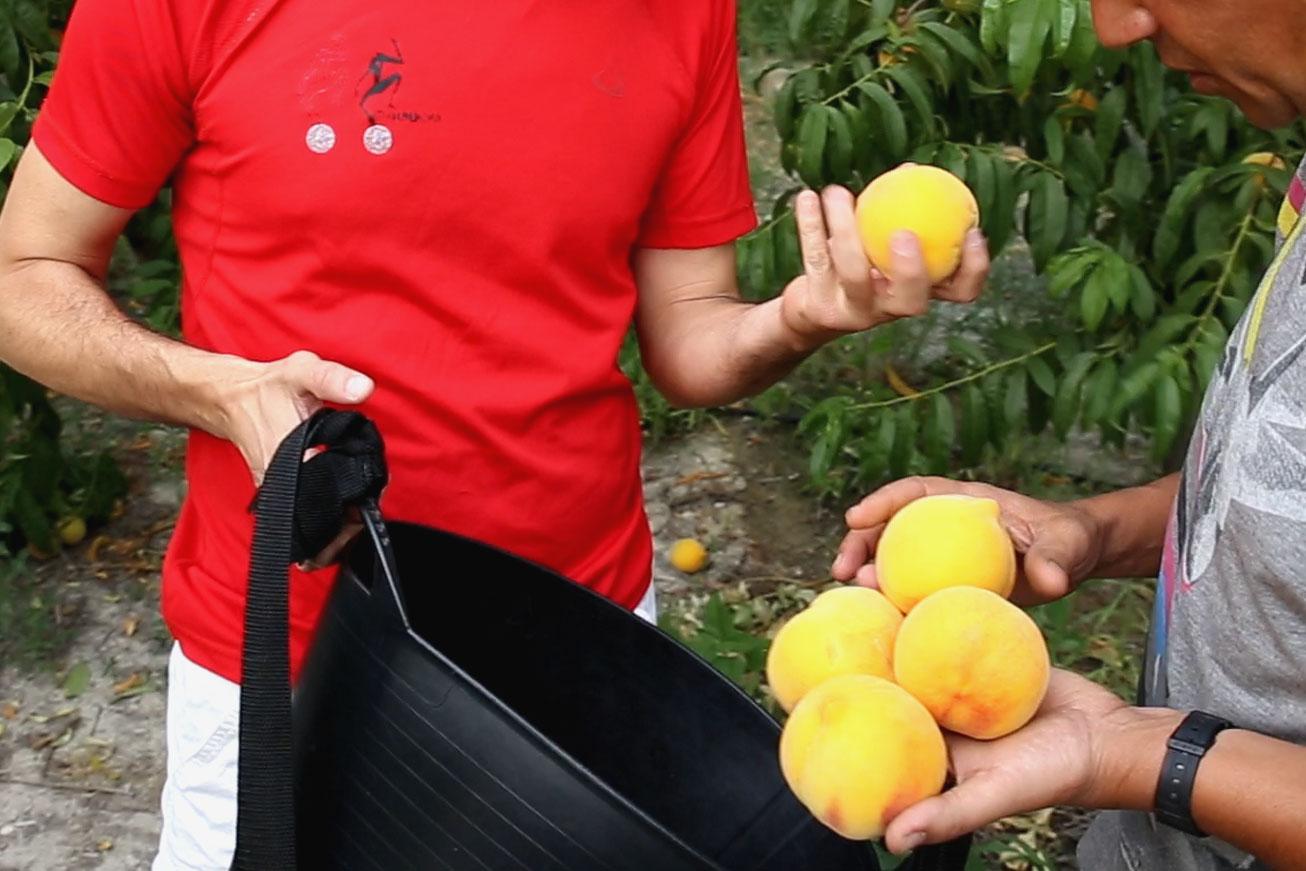
“The quality is extraordinary due to the size, consistency and color,” says Pascual Hortelano, head of the stone fruit sector at the Federation of Agrarian Cooperatives of Murcia (Fecoam). “This year the fruit is very good, like we haven't seen in a long time,” says Joaquín Gómez, president of the Association of Producers and Exporters of Fruit and other Agricultural Products (Apoexpa).
After the start of the season in the plantations on the coast, in Águilas and Mazarrón, last week the harvesting of apricots, nectarines and early peaches began in the Vega Alta del Segura, specifically in the municipalities of Cieza, Blanca and Abarán. Fecoam's production forecast is 292,000 tons, broken down as follows: peach (20,000 tons), Paraguayan (75,000), nectarine (52,000), pavia peach (62,000), apricot (65,000) and plum (18,000). The Department of Agriculture of the Region of Murcia has revised these calculations slightly upwards, considering that they will exceed 300,000 tons. The quantity of apricots will grow around 20% due to good fruit set and the increase in plots cultivated with this fruit.
“In any case, we are talking about total production with a decrease of between 8% and 10% compared to 2014, but the quality is the best in recent years by far. Let's say that the stars have aligned for the campaign to be good, since the fruit set has been very good, we have not had considerable frosts or harmful rains; There have not been any hailstorms either and it is hot, so the season is expected to be long, until the end of July or the beginning of August,” explains Pascual Hortelano.
Markets
Regarding the markets, this Fecoam official points out that, for the moment, “they are behaving better than last year, which was catastrophic. "We have to wait to see how the European markets evolve, but so far everything is going in favor, including the weather in the countries of arrival." The drop in apricot production between 15% and 20% in Greece and Italy may also contribute to a better position for Spanish stone fruit.
For his part, the president of Apoexpa highlights that "the weather is being good in Europe and the fruit is being placed normally." According to Gómez, the quality of stone fruit, which is now more adapted to the needs and requirements of European consumers, will streamline and enhance commercial operations. The 2014 campaign was very irregular, mainly due to a lack of forecast in terms of volumes, which ended up exceeding the market and had a very negative impact on prices.
Regarding prices, Hortelano assures that "they are a little better than last year and it seems that it is going to sell well in Europe." Joaquín Gómez describes the prices as “reasonable” and trusts that “the German distribution will buy more quantities. It seems that they are already getting excited. Between the quality and acceptable prices, the campaign is going to be good.”
The Russian veto is a 'ghost' that continues to loom over the export of the stone fruit sector. “Let's see how it affects, because we still don't know the impact. It is the great unknown of the season in terms of exports,” says Pascual Hortelano.
For his part, the president of Apoexpa is more optimistic: “Due to the Russian veto this year our strategy is different, since we are going to sell more elsewhere and we have looked for new markets. The veto will influence, but much less than last year, when it was decisive.”
Gómez states that “the Russian market is very large and, obviously, we are going to notice its absence, although looking at it on the positive side, if Russia maintains the veto in the coming years, we will have the opportunity to grow in other third markets. At the moment we are working with Algeria and South Africa to continue increasing our exports, as well as in China, where we are advancing phytosanitary protocols for future access."
Information published in the printed edition of Valencia Fruits on May 19 (Summer Fruit Dossier). http://termpapersworld.com/buy_research_papers







 English
  Spanish